
by David Lorehound
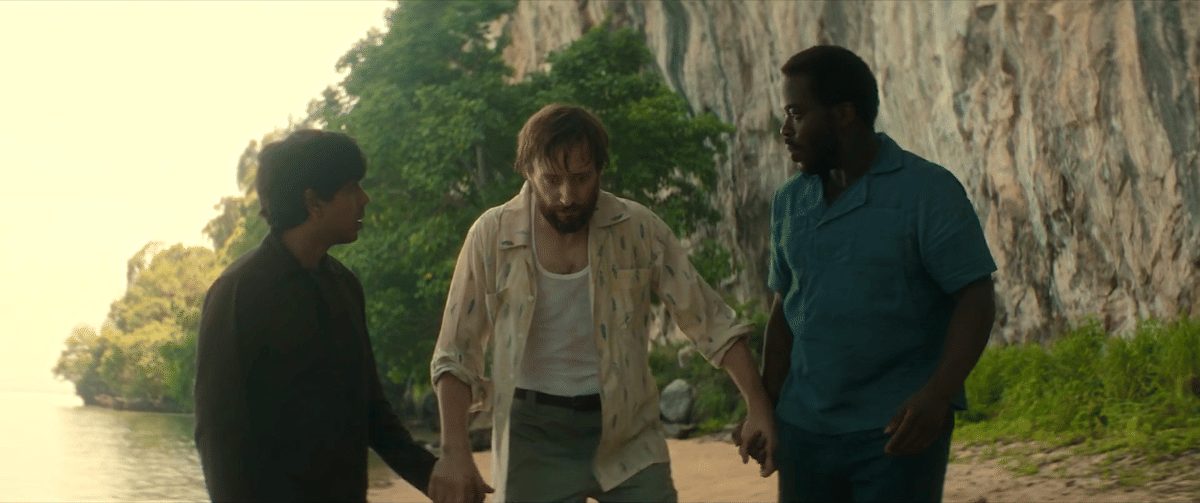
Everyone who walked into episode 7 of Alien: Earth knew Arthur was doomed the moment that facehugger attached itself to him. The chest burster scene is horror cinema's most iconic moment—we've all seen it, referenced it, parodied it. Yet somehow, Noah Hawley managed to make it genuinely shocking again. Watching Arthur's final moments play out, I found myself caught in the same paradox as every other viewer: knowing exactly what was coming while still being completely unprepared for it.
The genius lies in how Hawley served two audiences simultaneously. Veterans of the franchise experienced the dread of anticipation, watching every setup piece fall into place. Newcomers got to experience what audiences felt in 1979—pure, unfiltered shock at something they'd never seen before. That Hawley pulled this off speaks to both his technical craft and his understanding of how to honor source material while making it distinctly his own.
Building Dread Through Misdirection
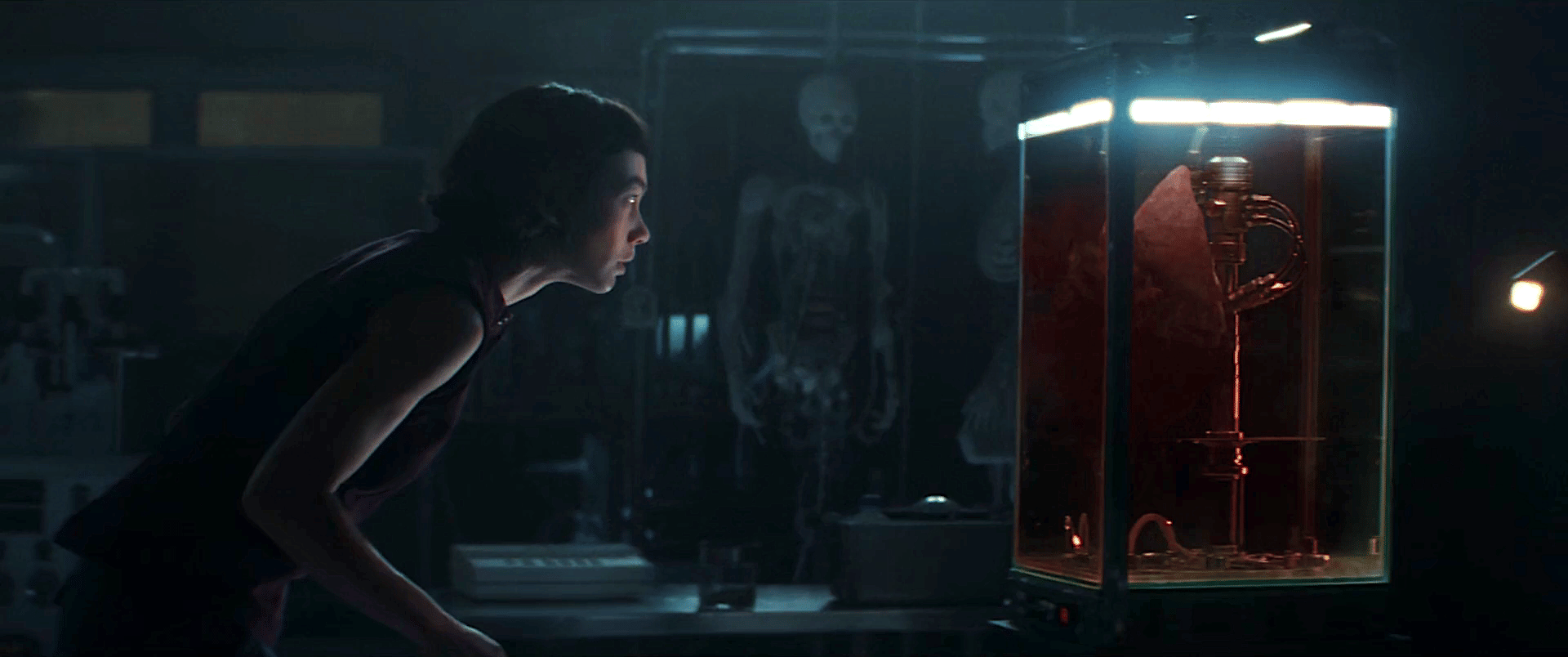
Where Ridley Scott's original chest burster worked through complete surprise, Hawley built his version on layered misdirection. The foundation started episodes earlier with Joe's lung surgery—a medical procedure that primed viewers to think about chest trauma in clinical terms rather than horror terms. When that same lung became the host for xenomorph experimentation in the lab, the medical framework remained intact. When the facehugger attached to Arthur, characters and audience alike could rationalize it through that same clinical lens.
Actually seeing the xenomorph tadpole emerge when Kirsh extracted it from the facehugger worked on a different level entirely. This clinical emergence kept us locked in medical thinking—just another procedure. But it also gave us a vivid, concrete image of what was now growing inside Arthur's body. That visual knowledge amplifies the body horror exponentially. We're not just anticipating something abstract; we can picture exactly what's happening beneath his skin.
Most crucially, Hawley chose children as witnesses. Slightly and Smee's presence transformed the scene from a moment of individual horror into something far more devastating—the destruction of innocence happening in real time. Where the original Alien used seasoned space truckers who could absorb the shock with professional compartmentalization, these kids had no such protection. Their horror became our horror, amplifying the scene's emotional impact beyond pure visceral shock.
The setup also worked temporally in a way the original couldn't. Scott's scene succeeded through complete surprise—nobody in 1979 saw it coming. Hawley had to achieve the same effect while working against audience foreknowledge, requiring a completely different approach to building tension.
Hawley's Absurdist Signature
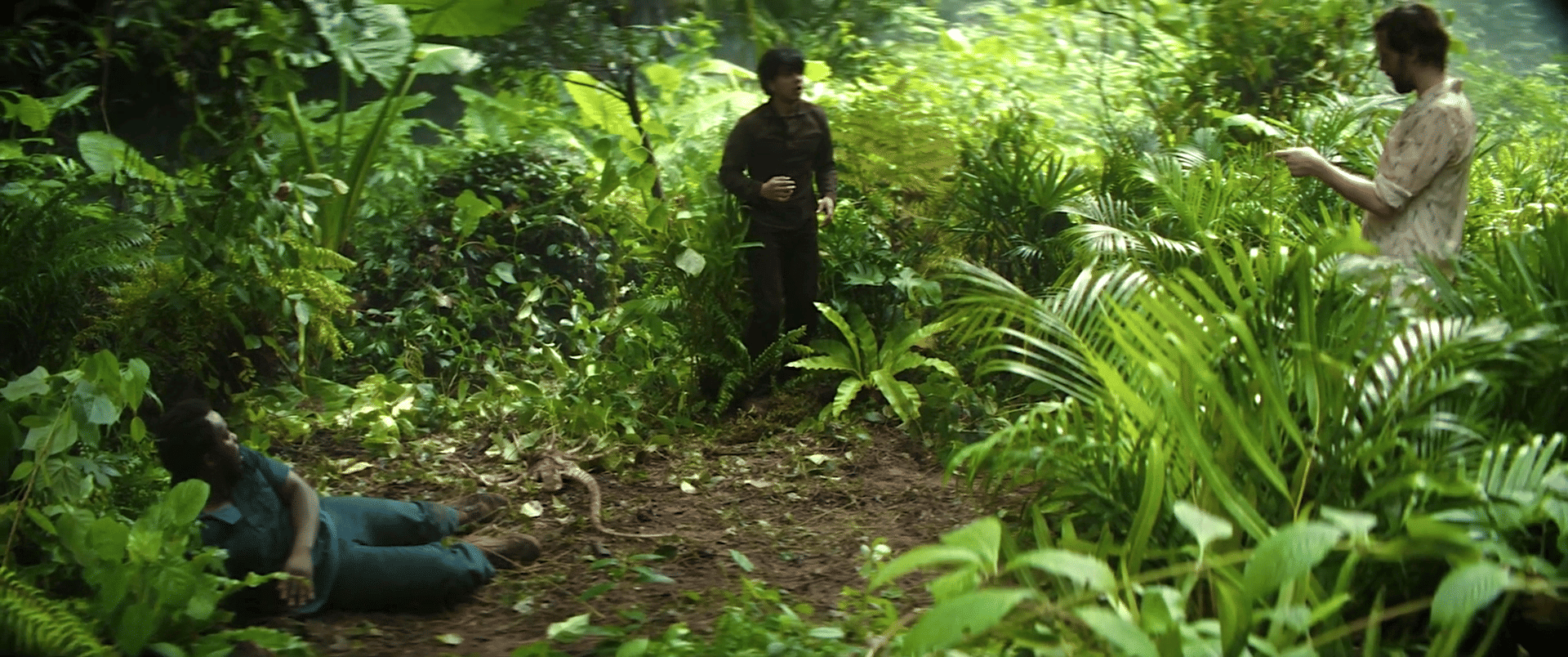
What makes this scene distinctly Hawley rather than a simple recreation is his trademark absurdist sensibility, refined across five seasons of Fargo and three seasons of Legion. In Fargo, he perfected the art of showing what happens when law enforcement—proxies for order—collide with criminals and mobsters—proxies for chaos. When these forces mix in Hawley's world, they produce absurdist results that feel both inevitable and impossible. In Legion, he made reality-bending horror feel conversational. Here, he brings that same tonal complexity to the Alien universe.
This absurdist approach doesn't undermine the horror—it enhances it. When characters respond to extreme situations with inappropriate calm or mundane observations, it makes the horror feel more real, not less. It's the difference between movie horror and actual trauma, where people often react to terrible events with weird detachment or inappropriate focus on minor details.
Hawley's absurdism has always been about finding the surreal within the everyday, and vice versa. Here, he takes the most famous horror scene in cinema and makes it feel both inevitable and impossible, familiar and completely alien.
Technical Execution and Impact
The practical effects work honors the original while updating the technique for contemporary audiences. Hawley chose not to rely heavily on CGI spectacle, instead focusing on the visceral reality of the moment. The cinematography maintains intimacy even as the scene unfolds on a beach in seeming paradise—the beautiful island setting creating jarring contrast as horror emerges from beauty.
What's remarkable is how the scene managed to shock audiences who knew every beat. Part of this comes from Hawley's commitment to character-driven horror rather than effect-driven spectacle. We care about Arthur, we care about these kids, so the technical achievement serves emotional investment rather than replacing it.
The end credits choice of Queens of the Stone Age's "Song for the Dead" provides the perfect tonal punctuation—a track that reinforces Hawley's absurdist-horror blend while giving the episode a sense of completion that feels both inevitable and surprising.
Respecting Source While Innovating
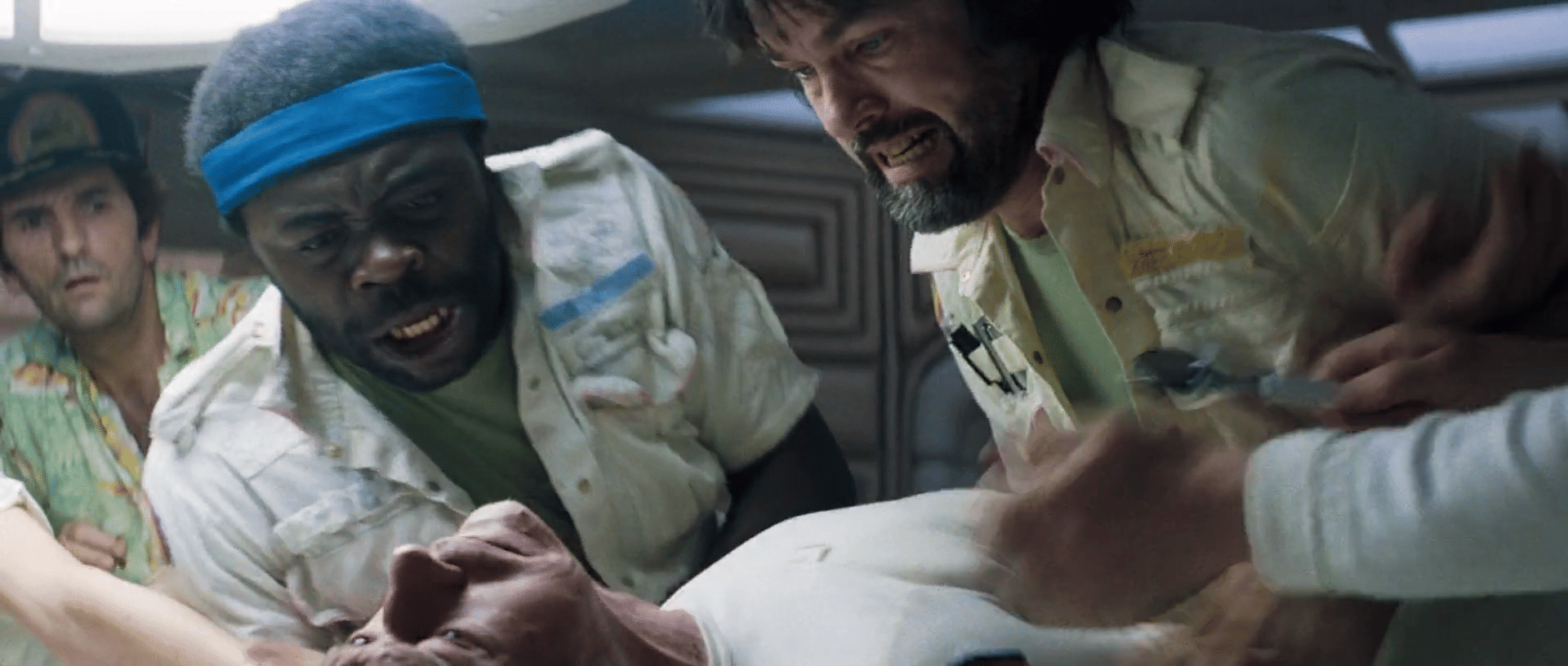
Episode 7's chest burster scene demonstrates how franchise material can honor its origins while still feeling genuinely new. Hawley didn't try to top the original or subvert it—he found a way to recreate its essential impact through completely different methods.
This approach suggests something important about how we handle iconic material. The temptation is always to either slavishly recreate or deliberately subvert, but Hawley found a third path: understanding what made the original work, then finding new ways to achieve that same effect. As we head into the season finale, this scene establishes that Alien: Earth isn't just trading on nostalgia—it's earning its place in the franchise through craft, not just callbacks.
.
AI Writing Disclosure
This article was developed using Claude AI as a writing and research tool. Claude assisted with structuring ideas, refining analysis, and transforming detailed notes over multiple drafts into polished prose while maintaining my established voice and perspective. The core analytical insights, interpretations, and critical perspectives presented here are my own.