
by Doove 71 [Loremaster]
A Lorehounds deep dive into power, politics, and the evolution of the Alien Universe
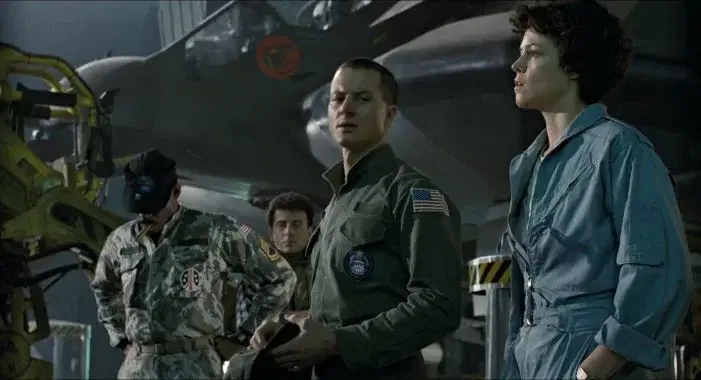
In our latest episode breakdown of Alien: Earth Ep 4, David raised an intriguing question: how do we reconcile the corporate-dominated world we see in 2120 with the seemingly government-controlled Colonial Marines sporting U.S. flags in Aliens, over 50 years later? On the surface, it seems like a potential continuity error; surely, Noah Hawley, a devoted fan of the franchise, wouldn't make such a rookie mistake?
But the more I've dug into this apparent contradiction, the more I'm convinced it's not an error at all. Instead, it represents a sophisticated exploration of power dynamics through a science fiction universe, one that draws from real historical precedents and reflects the complex reality of how corporate and state power interact. The answer lies not in choosing between corporate or government control, but in understanding how they can become so intertwined that the distinction becomes meaningless.

The British East India Company: A Blueprint for Corporate Dominance
To understand how the Alien universe might evolve from corporate rule to apparent government control, we must examine history's most successful example of corporate imperialism: the British East India Company. Luke mentioned this connection in a previous episode, but it's worth delving deeper into how perfectly this historical model aligns with what we're seeing in Alien: Earth.
At its peak in the 18th and early 19th centuries, the British East India Company was quite literally "the largest corporation in the world." We're not talking about market capitalization or revenue; this company-controlled territories, ruled populations, and commanded armies. The company's three presidency armies totaled about 260,000 soldiers, which at specific points was twice the size of the British Army itself. Think about that for a moment: a private corporation with a military force that dwarfed its home nation's official armed forces.
The company didn't just trade, it governed. It collected taxes, administered justice, minted currency, and maintained diplomatic relations with other powers. For over a century, vast swaths of the Indian subcontinent were ruled not by the British Crown, but by a joint-stock company accountable primarily to its shareholders. Sound familiar?
This is exactly what we see in Alien: Earth. The "Big 5" corporations- Prodigy, Weyland-Yutani, Lynch, Dynamic, and Threshold- have stepped into the power vacuum left by a devastating war (Head Canon Alert: possibly the conclusion of the conflicts that began with battles like Tannhäuser Gate mentioned in Blade Runner). Like the British East India Company, these corporations aren't just businesses; they're quasi-governmental entities with their own territories, military forces, and administrative systems.
But here's where the historical parallel becomes interesting: the British East India Company's dominance didn't last forever.
The Government Strikes Back: How Nations Reassert Control
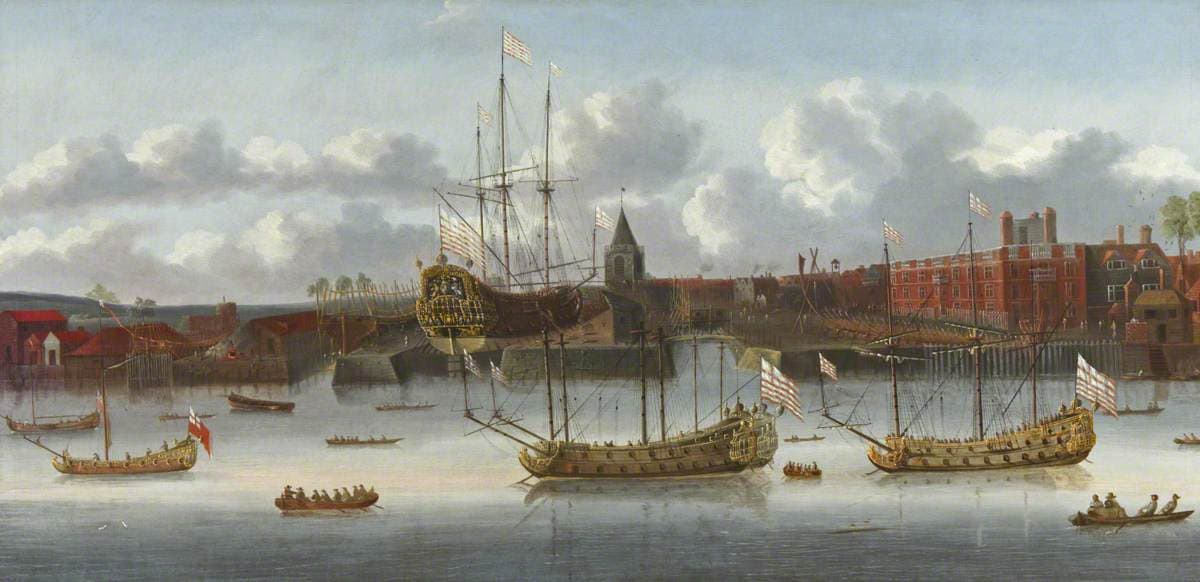
A crucial aspect of British East India Company history is that the British government gradually reasserted control over its operations. This wasn't a sudden corporate takeover followed by an equally sudden government coup; it was a decades-long process of increasing oversight, regulation, and integration.
The process began with the Regulating Act of 1773, which established government oversight of the company's affairs. The India Act of 1784 went further, establishing government control of political policy while leaving commercial operations primarily in corporate hands. By 1813, the company's commercial monopoly had been broken. From 1834 onwards, it served as a managing agency for the British government of India, remaining operational and profitable, but no longer truly independent.
The final nail in the coffin came after the Indian Rebellion of 1857. The British government, citing the company's mismanagement and the need for better governance, effectively abolished the company and assumed all its administrative and taxing powers, along with its assets and armed forces. The company's 24,000-strong military was absorbed into the British Army.
This historical precedent provides a perfect template for understanding how the Alien universe could evolve from corporate dominance in 2120 to apparent government control by 2179, a span of over 50 years that affords ample time for this complex political evolution.
The Modern Parallel: Blackwater and the Coporate-Military Complex
Before we dive into how this might work in the Alien timeline, it's worth noting that we don't need to look to historical examples to see corporate military integration in action. Today's world already provides plenty of precedents.
Companies like Blackwater (now Constellis), sometimes referred to as Private Military Contractors (PMCs), have become deeply embedded in modern military operations. These aren't just suppliers or contractors in the traditional sense; they're parallel military organizations working alongside, and sometimes in place of, official government forces. By 2007, there were as many private contractors in Iraq as there were members of the military, fundamentally changing how we think about who fights America’s wars.
However, the key point is that these contractors don't replace government forces; they integrate with them. Blackwater operatives wore official military gear and operated under government contracts, but they served corporate interests and followed corporate chains of command. The line between public and private military action became so blurred that in many cases, it was impossible to tell where government operations ended, and corporate operations began.
This is exactly the model I believe we see in Aliens. The Colonial Marines aren't proof that corporations have lost power; they're proof that corporate power has become so integrated with government power that traditional military structures have begun serving corporate interests while maintaining the facade of government control.
A Three-Phase Evolution: From Corporate Rule to Hybrid Control
Based on the historical precedent of the British East India Company and the modern reality of corporate military integration, I propose a three-phase evolution for the Alien timeline that unfolds over nearly six decades. This is just my take, so take it with a huge pinch of salt:
Phase 1: Corporate Ascendancy (2115-2130) This is what we see in Alien: Earth. Following a devastating war (again, just my head canon), likely the final phase of conflicts that began with the Tannhäuser Gate, traditional nation-states are financially and militarily exhausted. The "Big 5" corporations step in to fill the power vacuum, becoming quasi-governmental entities with their own military forces, territories, and administrative systems. Like the British East India Company at its peak, these corporations don't just dominate commerce; they effectively govern.
The war Joe Hermit references in Episode 4 could be this final conflict, where nation-states made one last attempt to reassert control over corporate power and lost decisively. With governments bankrupt and their militaries depleted, corporations became the only entities capable of maintaining order, providing security, and managing the complex logistics of interstellar civilization.
Phase 2: Government Reassertion and Integration (2130-2160) This is the crucial transitional period that we don't see directly in the franchise, but which explains how we get from corporate rule to the hybrid system we see in Aliens. Following the British East India Company model, governments begin to gradually reassert control, not by displacing the corporations, but by integrating with them.
This process likely begins with oversight and regulation. Perhaps there's a Colonial Authority established to provide government supervision of corporate activities. Perhaps some new treaties or agreements may formalize the relationship between corporate territories and traditional nation-states. The key is that rather than dismantling corporate power, governments co-opt it.
Corporate military forces aren't disbanded; they're integrated into new hybrid command structures. Corporate territories, such as planets, moons, and colonies, don't become independent nations; they become special administrative regions or corporate protectorates under loose government oversight. The corporations remain powerful, but they're no longer truly independent actors.
Phase 3: Mature Hybrid System (2160-2179) By the time of Aliens, we see the mature version of this hybrid system. The Colonial Marines wear US flags and operate under apparent government authority, but corporate interests heavily influence their missions, equipment, and strategic priorities. They're not corporate armies that have been nationalized, they're government forces that have been thoroughly corporatized.
This is why Weyland-Yutani can so easily manipulate the mission in Aliens. They're not operating outside of government authority; they've become so integrated with it that they can direct it from within. Burke isn't a rogue corporate agent working against the military; he's a corporate representative working through official channels that corporations help control.
The company's ability to sacrifice the Marines doesn't stem from replacing the government, but from having become so integrated with it that the distinction becomes meaningless. When the corporate masters order the Marines into danger or Burke manipulates their mission parameters, they’re not defying government authority; they’re exercising it through corporate-controlled channels.
The Sinister Implications: Corporate Power through Government Channels
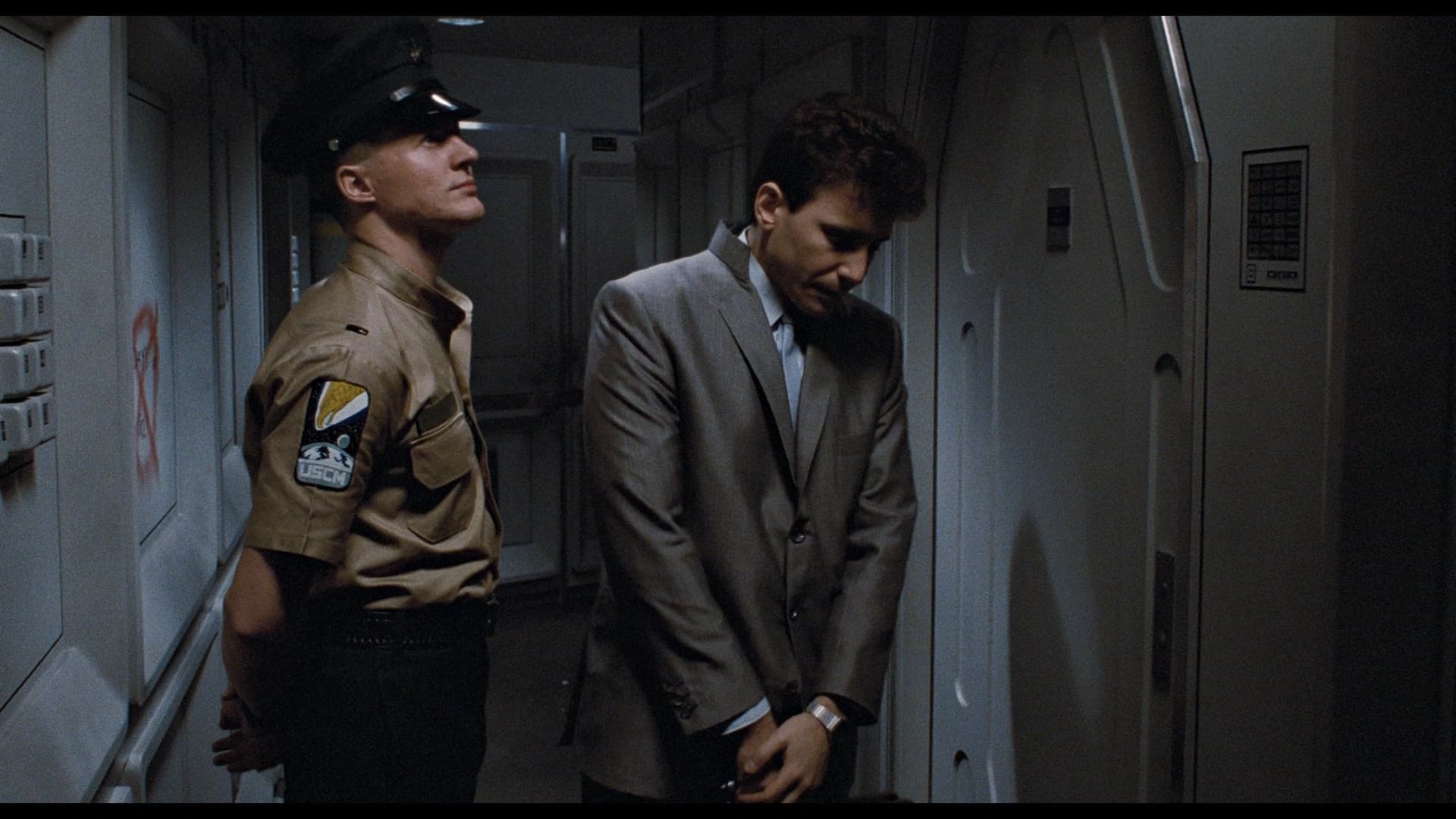
This evolutionary model makes the corporate villainy in Aliens even more sinister than a simple corporate takeover would. If Weyland-Yutani had replaced government authority, their actions would be clearly illegitimate and could potentially be challenged or overturned in court. But by working through official government channels that they help control, their actions carry the full weight and legitimacy of state power.
When the Colonial Marines follow orders that serve corporate interests, they're not being manipulated by outside forces; they're following legitimate military commands that have been shaped by corporate influence. When Burke makes decisions that prioritize company profits over Marine lives, he's not defying authority; he's exercising authority that has been structured to serve corporate interests.
This is the ultimate expression of corporate power: not the replacement of government, but the transformation of government into an extension of corporate will. It's more stable than pure corporate rule (because it maintains the legitimacy of traditional institutions) and more effective (because it can deploy the full resources of the state in service of corporate interests).
The Historical Precedent in Action
The beauty of this model lies in its historical precedent. The transition from British East India Company rule to British Raj wasn't the end of corporate influence in India; it was the beginning of a new phase where corporate interests were pursued through official government channels. The company's shareholders didn't lose their investments; they changed from direct corporate governance to indirect influence through government policy.
Many of the same people who had run the company transitioned to running the government administration. The same economic interests were served, but now with the full legitimacy and resources of the British state behind them. Corporate influence didn't disappear; it evolved into a more sophisticated and sustainable form.
Modern Echoes: The Military-Industrial Complex
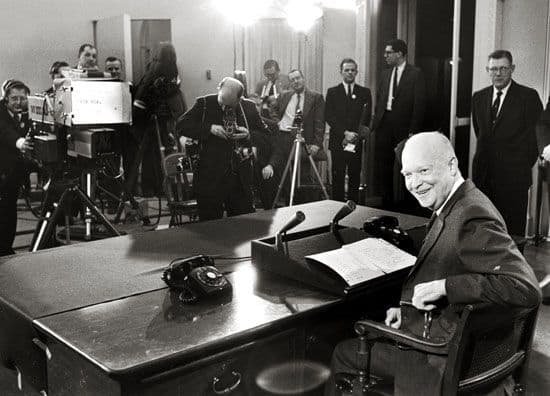
We can observe similar dynamics in our own world through what Eisenhower famously referred to as the "military-industrial complex." Defense contractors don't replace the military; they become so integrated with it that military and corporate interests align. Pentagon officials move to defense contractors, and corporate executives move to government positions. The result is a system where corporate interests are pursued through official government channels.
This is why Boeing or Lockheed Martin does not need to have their own army; they can influence government military policy to serve their interests while maintaining the legitimacy and resources that come with official government authority. Corporate power is most effective when it works through, rather than against, governmental structures.
Why This Matters for Understanding Alien: Earth
Understanding this evolutionary model helps us appreciate what Noah Hawley is really doing with Alien: Earth. He's not just portraying corporate bad guys; he's examining how corporate power operates in the real world. The "Big 5" corporations in 2120 aren't cartoon villains who've somehow convinced everyone to let them take over. They're sophisticated political and economic actors who've stepped into a power vacuum and are in the process of transforming the very nature of governance itself.
The “Lost Boys” we see in the show —Wendy, Slightly, the other hybrids —are growing up in a world where corporate authority is the only authority they've ever known. They don't see themselves as living under corporate rule because corporate rule has become the natural order of things. This isn't dystopian science fiction; it's a sophisticated exploration of how power evolves and legitimizes itself, and this is just one layer in a multifaceted show.
By 2179, when the Colonial Marines drop onto LV-426, they're not rebels fighting against corporate oppression; they're professional soldiers serving what they believe to be a legitimate government authority. The fact that corporate interests have shaped this authority doesn't make their service any less genuine or their sacrifice any less real. It makes the corporate manipulation of their mission even more tragic.
The Long View: Power, Legitimacy, and Evolution
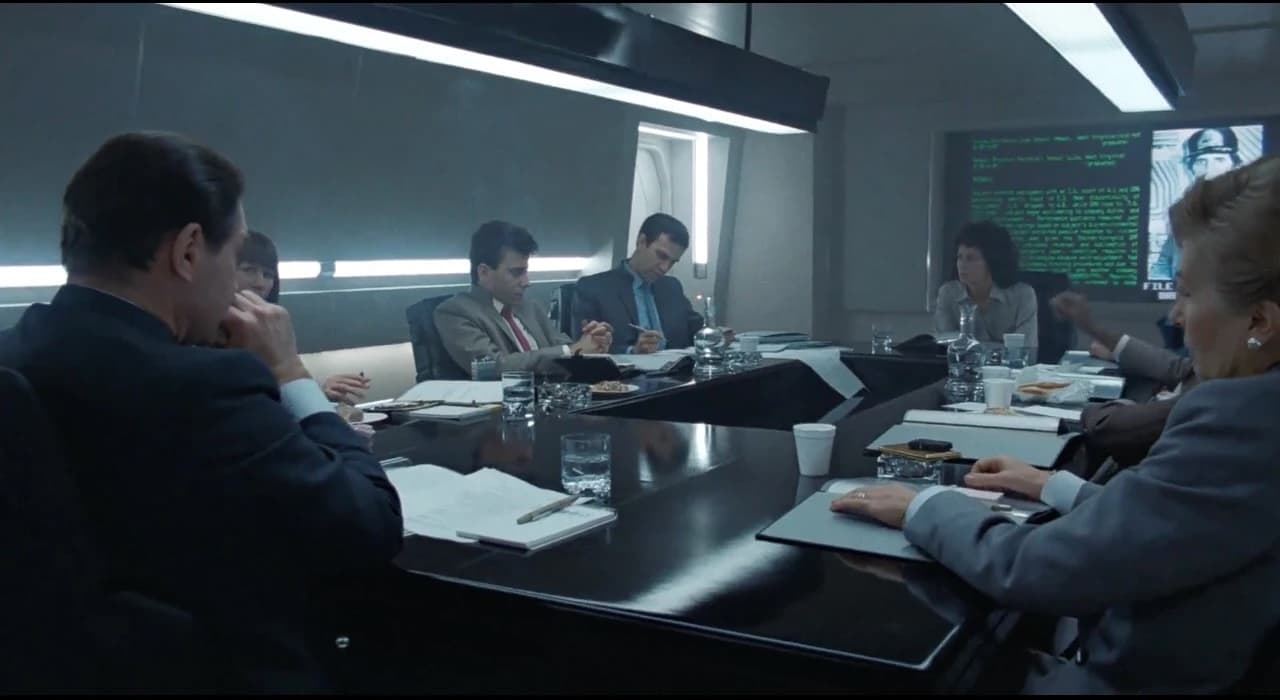
What makes the Alien universe's treatment of corporate power so sophisticated is that it recognizes something many science fiction stories miss: power doesn't usually change hands through dramatic coups or sudden reversals. It evolves gradually, adapting to new circumstances while maintaining continuity with existing structures.
The corporations in Alien: Earth aren't trying to destroy the government; they're trying to become the government. And by the time of Aliens, they've largely succeeded, but in a way that preserves the forms and legitimacy of traditional state power while directing it toward corporate ends.
This is why the Colonial Marines can wear US flags while serving corporate interests, why Burke can manipulate military operations while claiming government authority, and why the company can sacrifice Marines while maintaining the moral high ground of "following orders" and "serving the greater good."
It's a chilling vision of how corporate power might evolve, not through dramatic takeover, but through gradual integration until the distinction between corporate and government authority becomes meaningless. The British East India Company shows us that it has happened before. Modern military contractors show us it's happening now. The Alien universe shows us where it might lead.
Ultimately, the question isn't whether corporations or governments are in charge, but whether there's any meaningful difference left between them. And in the world of Alien, that distinction has long since been lost in the vastness of space, where the only authority that matters is the one that can get you home alive... or ensure that you never make it back at all.
The perfect organism, indeed. But maybe the ideal organism isn't the Xenomorph; maybe it's the corporate-state hybrid that created the conditions for its discovery in the first place. After all, what could be more perfectly adapted for survival than a power structure that feeds on crisis, grows stronger through conflict, and evolves constantly to meet new challenges?
In space, no one can hear you scream. But on Earth, in boardrooms and government offices, in the quiet conversations between corporate executives and military commanders, the real monsters are making the decisions that will echo through the stars for generations to come.
The long walk into the unknown isn't just about individual characters facing the void; it's about entire civilizations walking into futures they may not recognize, guided by powers they no longer fully understand or control. And sometimes, the most terrifying monsters are the ones wearing suits and carrying briefcases, speaking softly about quarterly profits and strategic objectives while the galaxy burns around them.
Welcome to the corporate future. Mind the gap.