
by David Lorehound
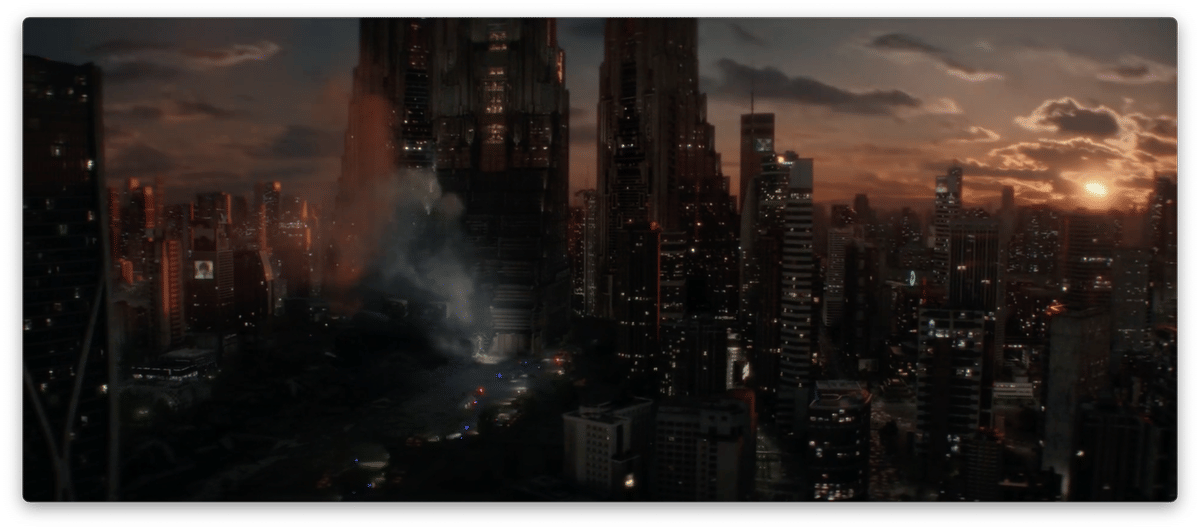
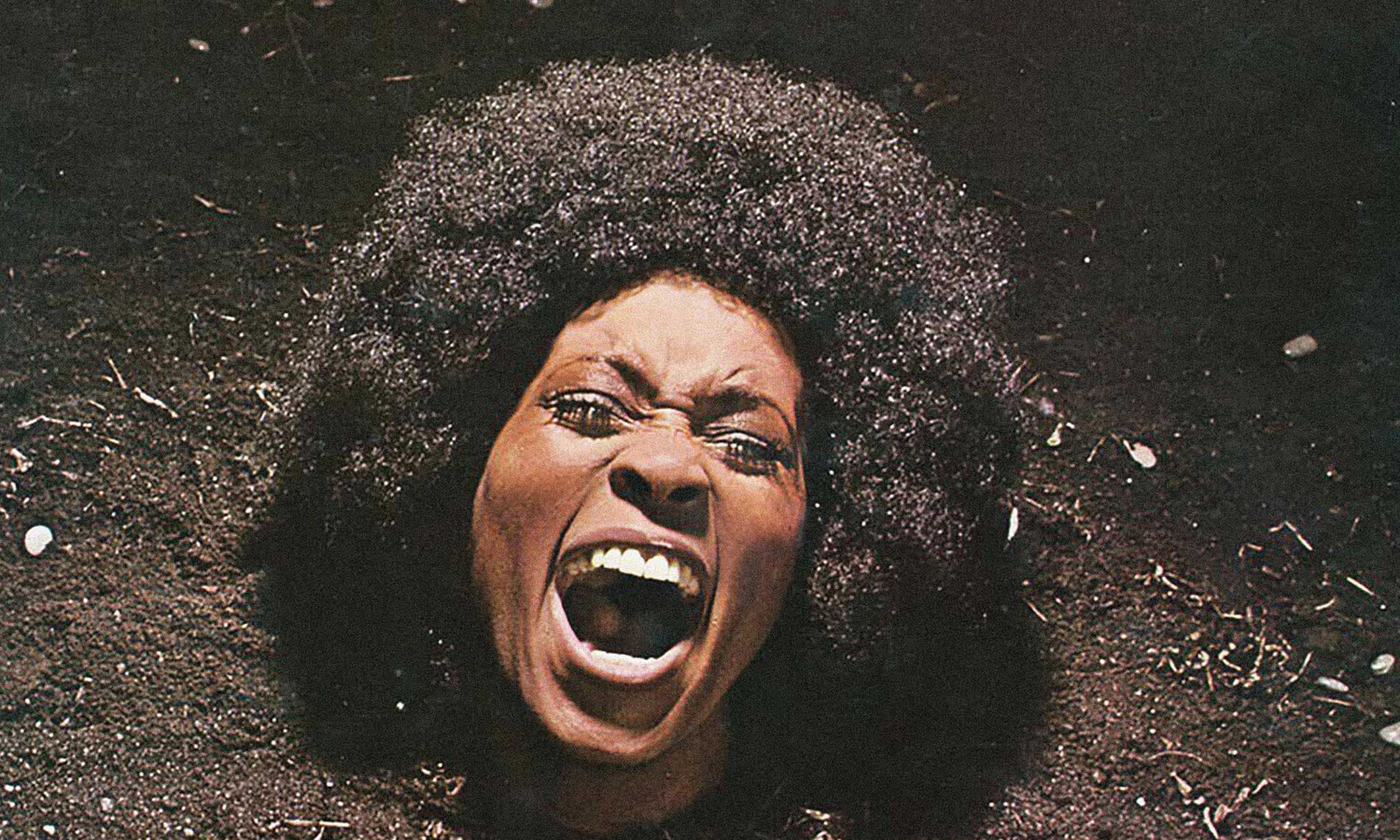
During our Episode 3 podcast discussion, I spoke with Mark (Nevermind the Music podcast) and Ian (Captain’s Pod podcast) about the music in the montage sequence. When those familiar guitar notes started playing, I immediately thought it was Funkadelic's "Maggot Brain."
It turns out what we were hearing wasn't the 1971 original at all. Composer Jeff Russo had created his own version called "Procession" - a note-for-note recreation that was so close to the original that many listeners didn’t notice the difference. Even Mark didn't realize it wasn't the original Funkadelic until he saw it in the outline for our podcast recording!
What's Different
Russo's version captures Eddie Hazel's legendary guitar work but strips away all of George Clinton's psychedelic production. The original has echoes, delays, and what Clinton described as being "Echoplexed back on itself three or four times" to create an eerie feel. Russo removed all of that processing.
The result is cleaner. The guitar sits more prominently in the mix without the experimental sound effects that made the original so otherworldly.
Listen to a 1-minute comparison with 30-second clips from each version here:
Alien Earth - S01E01 - Maggot Brain Russo Comp
The Licensing Question
This choice raises obvious questions. Alien Earth clearly had the budget for expensive needle drops - they licensed Metallica's "Wherever I May Roam" and Tool's "Stink Fist" without hesitation. So why create a recreation of "Maggot Brain"?
The most straightforward explanation is rights issues. Maybe George Clinton or the Funkadelic estate wouldn't license the song. But that creates its own problem. As Mark pointed out, this recreation is so close to the original that it could face legal challenges if Funkadelic were actually opposed to its use. Courts have sometimes ruled against soundalikes based on "vibe" alone, like in the Robin Thicke "Blurred Lines" case, even when melody and lyrics are different.
Artistic Reasons
There might be creative reasons for the choice. Ian argued that Russo's version fits the dreamlike montage better - it's more lullaby-like and less harsh than the original's processed sound. Using the actual Funkadelic track might have created a distracting "needle drop" moment, pulling viewers out of the story and into 1971.
The soundalike lets the show have the thematic resonance without the baggage. "Maggot Brain" deals with death and consciousness, which maps directly onto the show's exploration of what makes someone human. But viewers who don't know the original just hear music that matches the scene's mood.
The Thematic Angle
There's a parallel between using a synthetic version of one of the most emotionally raw pieces of music ever recorded in a show about authentic versus artificial consciousness. In a show obsessed with authentic versus artificial consciousness, the choice to "clean up" Hazel's human expression of grief could be read as commentary. The original is human emotion filtered through technology to create something transcendent. Russo's version takes that same emotion but makes it more efficient, more palatable.
Whether that's intentional is impossible to know.
The Mystery
At the time of the podcast recording and the drafting of this blog post, we couldn't find any official explanation for why the soundalike was used instead of the original. It's a question only the creators could definitively answer. But the choice illuminates something about modern television production - caught between honoring source material and serving narrative needs, between artistic vision and commercial reality.
The fact that such a precise recreation was even possible speaks to how sophisticated these techniques have become. When the line between authentic and artificial becomes this blurred, it starts to mirror the same questions the show is asking about consciousness and identity.
Additional Sources
This article is based on our Alien Earth Episode 3 podcast transcript and references the Wikipedia article for Funkadelic's "Maggot Brain" album.
AI Writing Disclosure
This article was developed with Claude AI as a research and writing tool. Claude helped gather information about Funkadelic's "Maggot Brain" and Jeff Russo's "Procession," organize discussion points from our podcast episode, and transform my notes into polished prose while maintaining my established voice. The analytical insights, interpretations, and conclusions presented here reflect those of myself and the other hosts on the podcast and reflect the personal analysis of the creative choices in Alien Earth.