

by David Lorehound and Mark Popeney
Introduction
This detailed breakdown examines each of the eight songs used as end credits music in Alien: Earth Season 1. Music supervisor Maggie Phillips, working under showrunner Noah Hawley's creative direction, selected songs that follow a remarkably consistent formula: 90s hard rock, E minor preference, 85-108 BPM tempo range, and guitar-to-full-band structural builds.
For a comprehensive analysis of the patterns and musical DNA that unite these selections, see our main article examining the Alien: Earth outro formula: Alien: Earth End Credits: Decoding Maggie Phillips' Musical Formula
Each entry below provides production details (year, album, songwriters), sonic profile (key, tempo, instrumentation), formula adherence analysis, episode context, lyrical themes, and musical analysis. Connection strength ratings indicate how well each song's themes align with its episode's narrative—ranging from very strong thematic parallels to primarily atmospheric contributions. These breakdowns are based on systematic musical analysis and a detailed podcast conversation exploring what makes these choices work (or not work) for the Alien franchise.
Episode 1: "Neverland"
Song: "The Mob Rules"
Band: Black Sabbath
Production Details:
Year: 1981
Album: Mob Rules
Track Number: 5
Single: Yes
Songwriters: Ronnie James Dio, Tony Iommi, Geezer Butler (lyrics by Dio)
Sonic Profile:
Key: A-flat major
Tempo: 134 BPM (fastest song in the entire season)
Meter: 4/4
Instrumentation: Guitar, then full band (guitar/bass/drums)
Characteristic elements: Bluesy feel despite major key, some flat notes
Style: Metal (Ronnie James Dio era, post-Ozzy)
Formula Adherence:
✓ Guitar intro → full band explosion
✓ Early album track (5)
✓ Single/recognizable
✗ Major key (breaks from minor pattern)
✗ Tempo outlier (134 vs. average 105)
✗ Oldest song (1981 vs. 1992-93 average)
Unique: Fastest tempo, earliest release year, only A-flat major song
Episode Context:
Title reference: Literary (Peter Pan's Neverland)
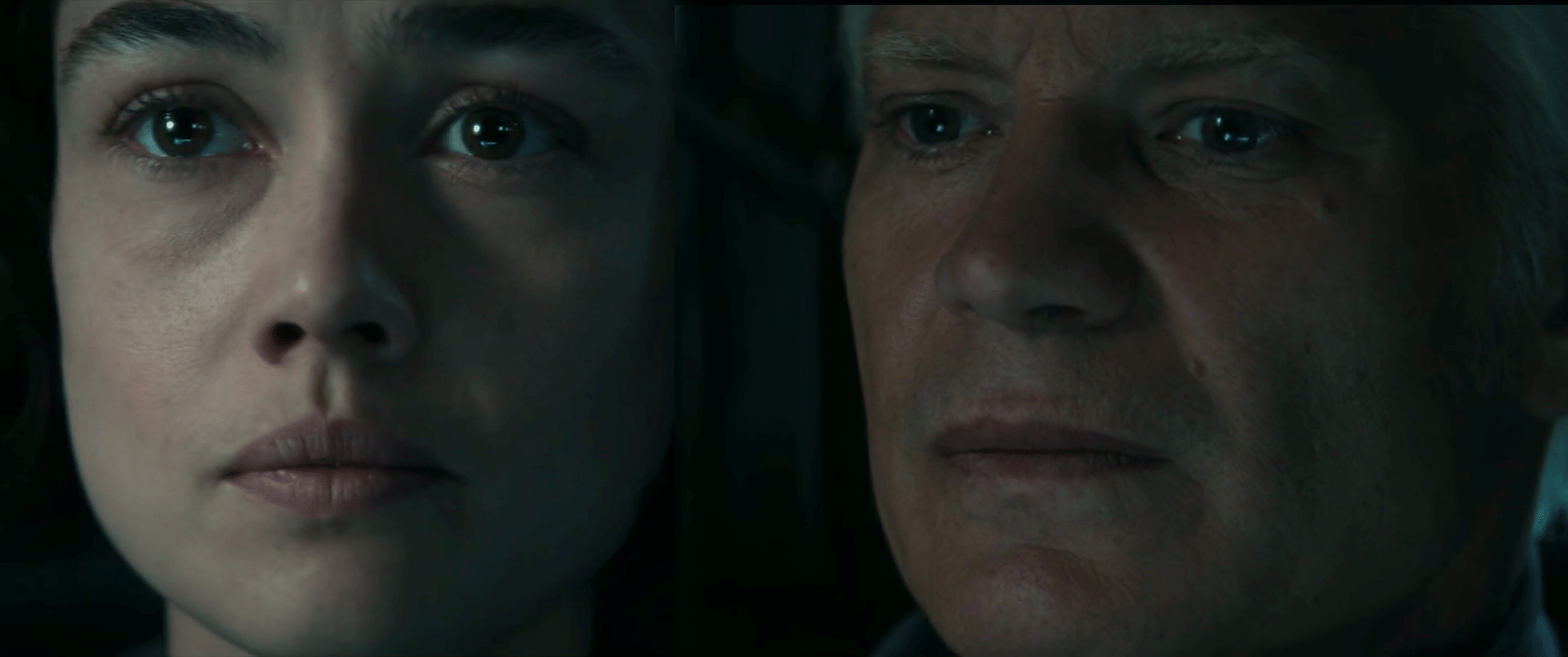
Last shot: Kirsh, then Wendy's face
Episode themes: Maginot crash, chaos in the city, Xenomorph threat establishing itself
Lyrical Themes & Connection: Key lines:
"Close the city and tell the people that something's coming to call"
"Death and darkness are rushing forward to take a bite from the wall"
Connection Strength: ★★★★ Strong
The approaching death and violence match the Xenomorph threat. The "mob rules" theme connects to societal breakdown and the corporate entities that will dominate the season. As Phillips noted, the lyrics worked for foreshadowing "all the different corporations."
Musical Analysis: This song stands apart as both the oldest (predating the 90s cluster by a decade) and the fastest. At 134 BPM, it's significantly more driving than the rest of the season. This isn't the slow, doom-metal Black Sabbath most people know—this is the Dio era, more intense and theatrical. As an opening statement, it grabs attention and establishes that endings won't follow franchise norms.
Episode 2: "Mr. October"
Song: "Stinkfist"
Band: Tool
Production Details:
Year: 1996
Album: Ænima
Track Number: 1
Single: Yes
Songwriters: Danny Carey, Paul D'Amour, Adam Jones, Maynard James Keenan
Sonic Profile:
Key: E minor (shifts to E major in chorus)
Tempo: 88 BPM (second-slowest)
Meter: 4/4 (shifts to 6/4 and other time signatures later—most complex rhythmically)
Instrumentation: Guitar noise/harmonics with effects, then full band
Characteristic elements: Prominent flat-7 chord, time signature changes, processed/filtered vocals
Style: Progressive metal
Formula Adherence:
✓ E-based key (enters the pattern)
✓ Guitar-based intro → full band
✓ Album opener (track 1 = statement song)
✓ Single/recognizable
✓ Flat-7 chord prominence
✓ Tempo in range (88 BPM)
Profile: Most rhythmically complex; establishes pattern by episode 2
Episode Context:
Title reference: Pop culture (baseball - "Mr. October" = Reggie Jackson)
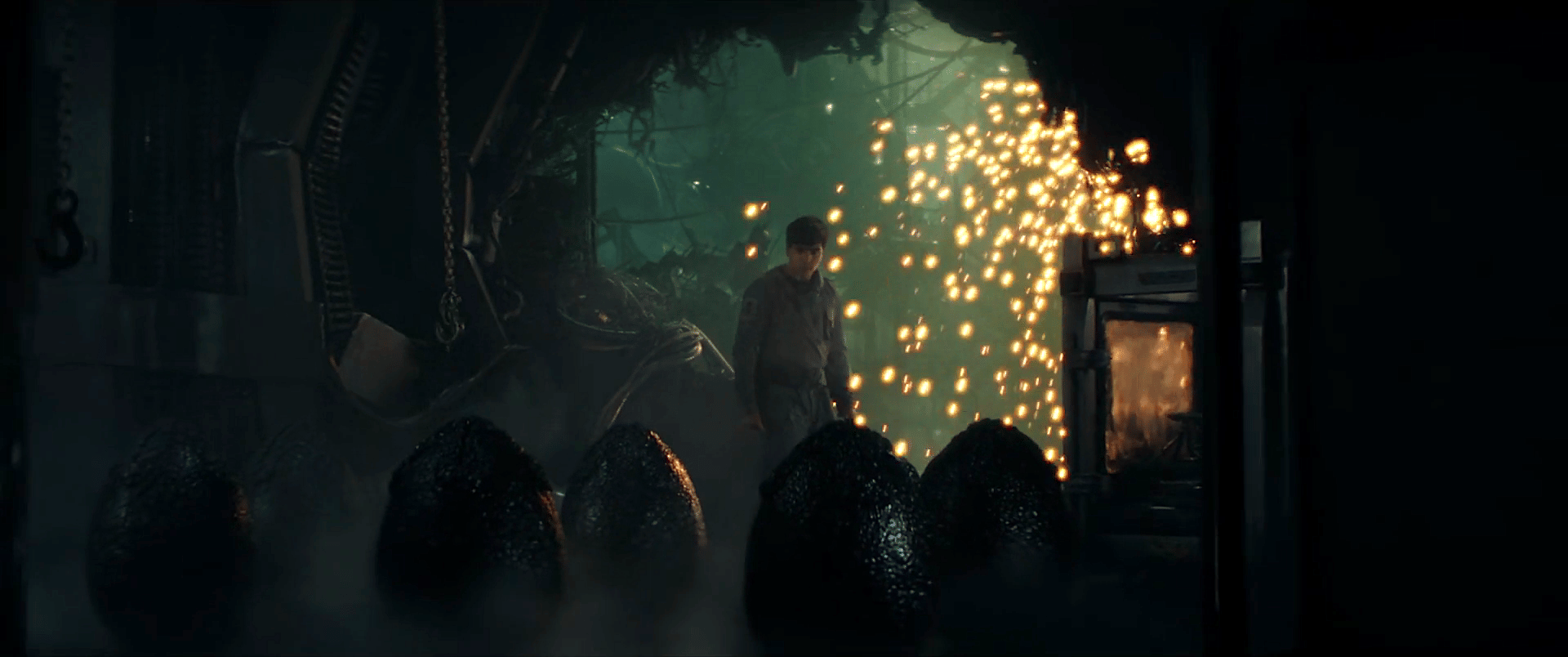
Last shot: Slightly looking around dilapidated ship after Joe gets attacked by Xenomorph
Episode themes: Joe's emotional numbness, Wendy's awakening to her sister's survival, Lost Boys on mission
Lyrical Themes & Connection: Key lines:
"I don't want it, I just need it—to breathe, to feel, to know I'm alive"
"Something has to change"
Themes: Addiction, constant need for overstimulation in modern society
Connection Strength: ★★★ Moderate
The sensation and numbness themes connect to Joe's emotional state and the moment of realization. The need to "feel, to know I'm alive" resonates with both Joe and the Lost Boys' emerging awareness of their hybrid nature. As discussed in the podcast, there's a connection but it's more atmospheric than literal.
Musical Analysis: Tool represents the progressive, technically sophisticated end of the formula. The time signature changes and complex rhythms distinguish it from straightforward rock songs. The quiet-to-loud dynamic is extreme—Maynard's whispered vocals contrast dramatically with the screamed sections. The flat-7 chord creates tension throughout. Phillips noted this wasn't her pick but came from Hawley—"it's the one that a lot of people really responded to."
Episode 3: "Metamorphosis"
Song: "Wherever I May Roam"
Band: Metallica
Production Details:
Year: 1991
Album: Metallica (The Black Album)
Track Number: 5
Single: Yes
Songwriters: James Hetfield, Lars Ulrich
Sonic Profile:
Key: E Phrygian (a minor scale with a lowered 2nd note—creates a darker, more exotic sound)
Tempo: 62 BPM intro → 130 BPM main section (most dramatic shift in the season)
Meter: 4/4 with some 2/4 moments
Instrumentation: Electric guitar + sitar, then full band
Characteristic elements: Flat-2 and flat-5 notes (maximum harmonic tension), microtonal bending (sliding between notes)
Style: Metal
Formula Adherence:
✓ E-based key
✓ Guitar intro → full band explosion
✓ Early album track (5)
✓ Single/recognizable
✗ Tempo outlier (most dramatic intro-to-main shift: 62→130)
Unique: Only song featuring sitar; most "exotic" instrumentation; Phrygian mode creates otherworldly quality
Episode Context:
Title reference: Literary (Kafka's Metamorphosis)
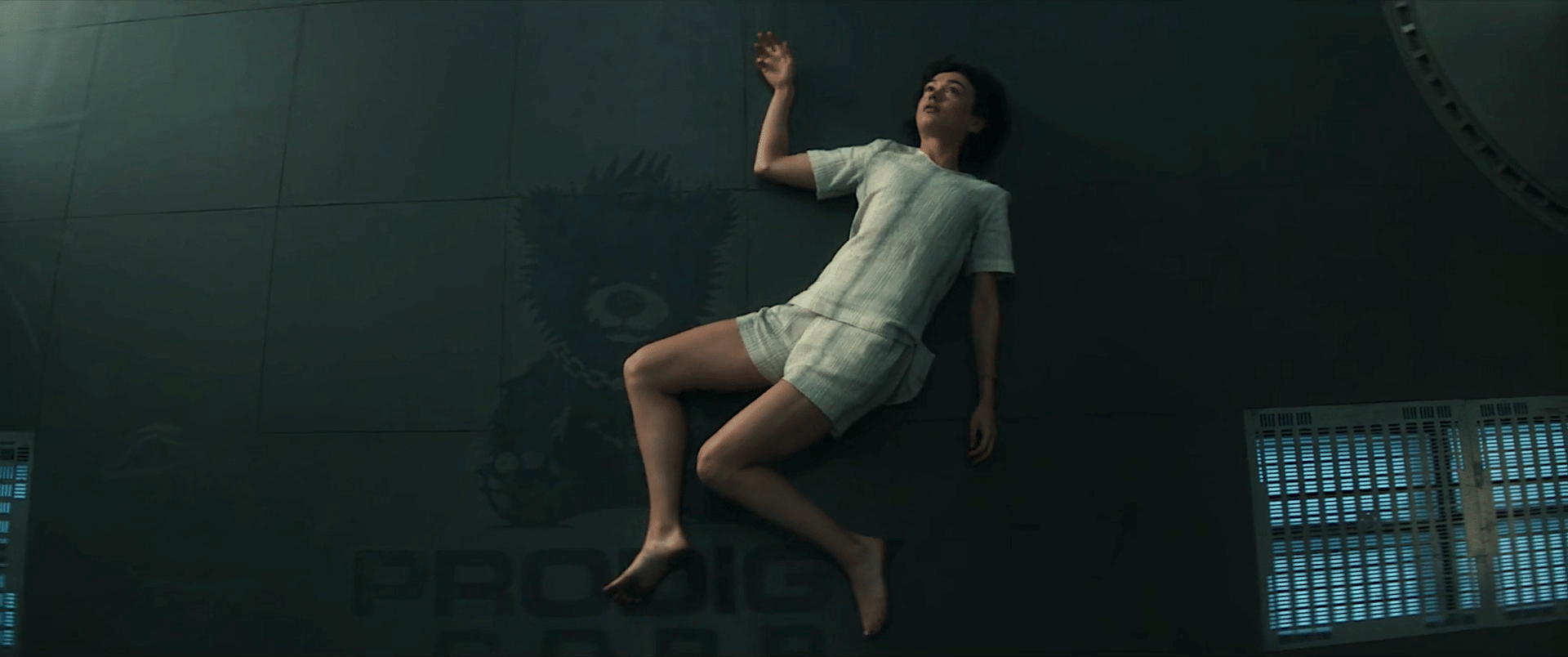
Last shot: Wendy lying unconscious on the floor after first mind-connection with Xenomorph
Episode themes: Transformation, consciousness separation, out-of-body experience
Lyrical Themes & Connection: Key lines:
"My body lies, but still I roam"
"And the earth becomes my throne, I adapt to the unknown"
"Under wandering stars I've grown, by myself but not alone"
Themes: Constant touring, freedom, search for belonging, wandering consciousness
Connection Strength: ★★★★★ Very Strong
This is the season's clearest song-to-story alignment. "My body lies, but still I roam" directly mirrors Wendy's unconscious body while her consciousness connects with the Xenomorph. The "adapt to the unknown" theme resonates throughout the season, culminating in the finale when Wendy says "we rule." As discussed in the podcast, this connection was impossible to miss.
Musical Analysis: The Phrygian mode and sitar create the season's most "otherworldly" sound. The Phrygian scale's unusual intervals give the song an exotic, unsettling quality that matches the alien consciousness experience. The microtonal bending (sliding between notes rather than hitting them precisely) suggests boundary-crossing between worlds. The dramatic tempo shift—contemplative at 62 BPM, then explosive at 130—mirrors both the episode's emotional arc and the violence of Wendy's connection experience.
Episode 4: "Observation"
Song: "Ocean Size"
Band: Jane's Addiction
Production Details:
Year: 1988
Album: Nothing's Shocking
Track Number: 2
Single: No (first non-single selection)
Songwriters: Music by Jane's Addiction, lyrics by Perry Farrell
Sonic Profile:
Key: E minor
Tempo: 56 BPM intro → 96 BPM main (slowest opening, returns to average range)
Meter: 6/8 (unusual) → 4/4
Instrumentation: Acoustic guitar, then electric guitars and drums
Characteristic elements: Flat-7 chord descent at start, Perry Farrell's distinctive voice
Style: Hard rock (pre-grunge touchstone)
Formula Adherence:
✓ E minor (pattern continues)
✓ Guitar intro → full band
✓ Early album track (2)
✓ Flat-7 chord usage
✓ Tempo in range (96 BPM main)
✗ Not a single
Unique: Starts with acoustic guitar (only acoustic opening); second-oldest song (1988)
Episode Context:
Title: "Observation" (no clear literary/film reference)
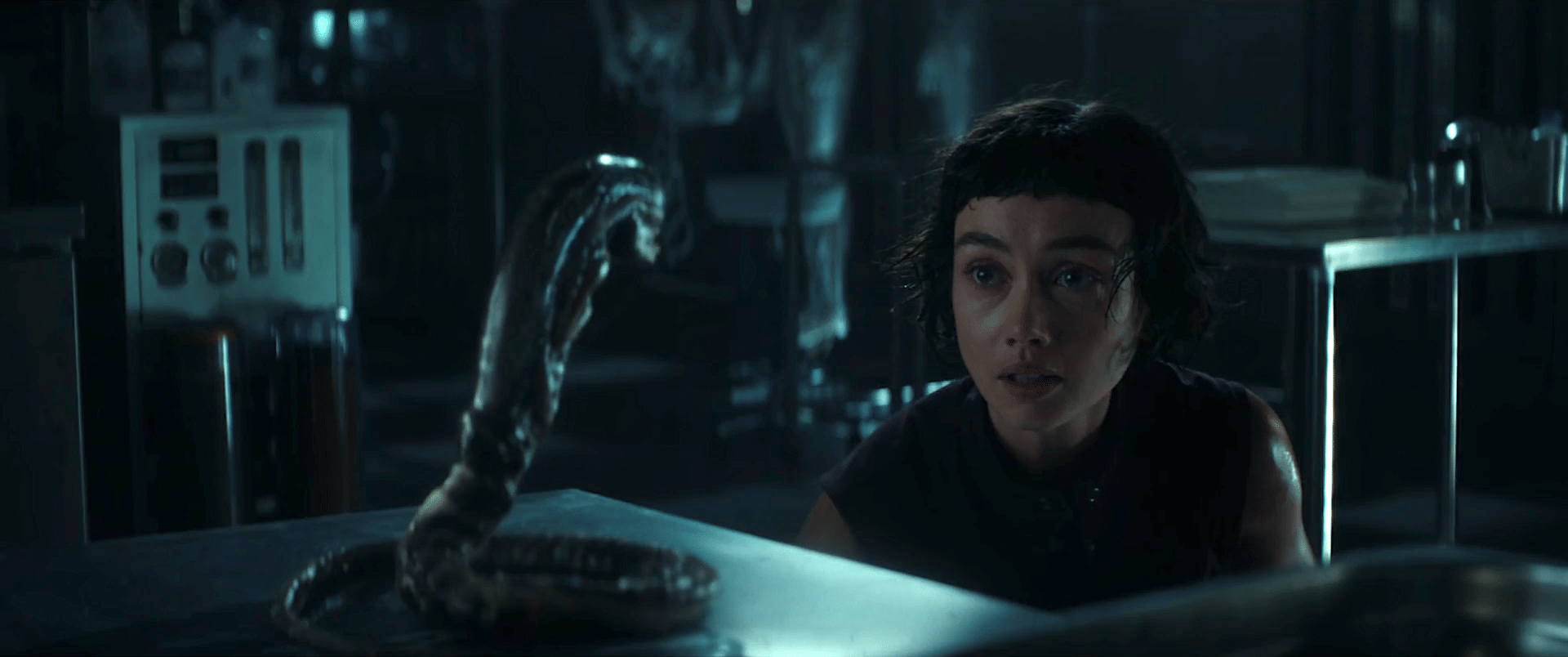
Last shot: Wendy communicating with baby Xenomorph while Kirsh watches
Episode themes: Connection with alien life, observation of the Other, midpoint world expansion
Lyrical Themes & Connection: Key lines:
"Wish I was ocean size"
"Some people tell me home is in the sky"
Themes: Homelessness, escape, expansiveness
Connection Strength: ★★★ Moderate
The connection is more about expansiveness and vastness than plot specifics. As discussed in the podcast, this feels less about the immediate narrative moment and more about opening up the story world at the season's midpoint. Phillips noted this was one of her "favorite CDs in high school" and she'd used "Ocean Size" in Legion as well—a personal favorite that creates the right atmospheric space.
Musical Analysis: The acoustic opening distinguishes this from other selections. Perry Farrell's scream at the beginning immediately identifies the band. The 6/8 meter creates a rolling, wave-like feel before settling into standard 4/4. Phillips said of Jane's Addiction in general: "it's the instrumentation—there's the build and then the intense release. You just can't get that with a lot of music."
Episode 5: "In Space, No One..."
Song: "Cherub Rock"
Band: The Smashing Pumpkins
Production Details:
Year: 1993
Album: Siamese Dream
Track Number: 1
Single: Yes
Songwriter: Billy Corgan
Sonic Profile:
Key: E major (one of only two major-key songs)
Tempo: 85 BPM (dead center of the formula's typical range)
Meter: 4/4
Instrumentation: Drums, then multiple guitars layer in, then bass, then vocals
Characteristic elements: Flat-7 chord despite major key, extensive guitar overdubs (the "Billy Corgan army")
Style: Post-grunge
Formula Adherence:
✓ E-based key
✓ Early album track (1 = album opener)
✓ Single/recognizable
✓ Flat-7 chord despite major key
✓ 1993 (nexus year—dead center of era)
✓ 85 BPM (dead center of tempo range)
Profile: The most "average" outro—exemplifies the formula perfectly
Episode Context:
Title reference: Film (Alien franchise tagline - "In space, no one can hear you scream")
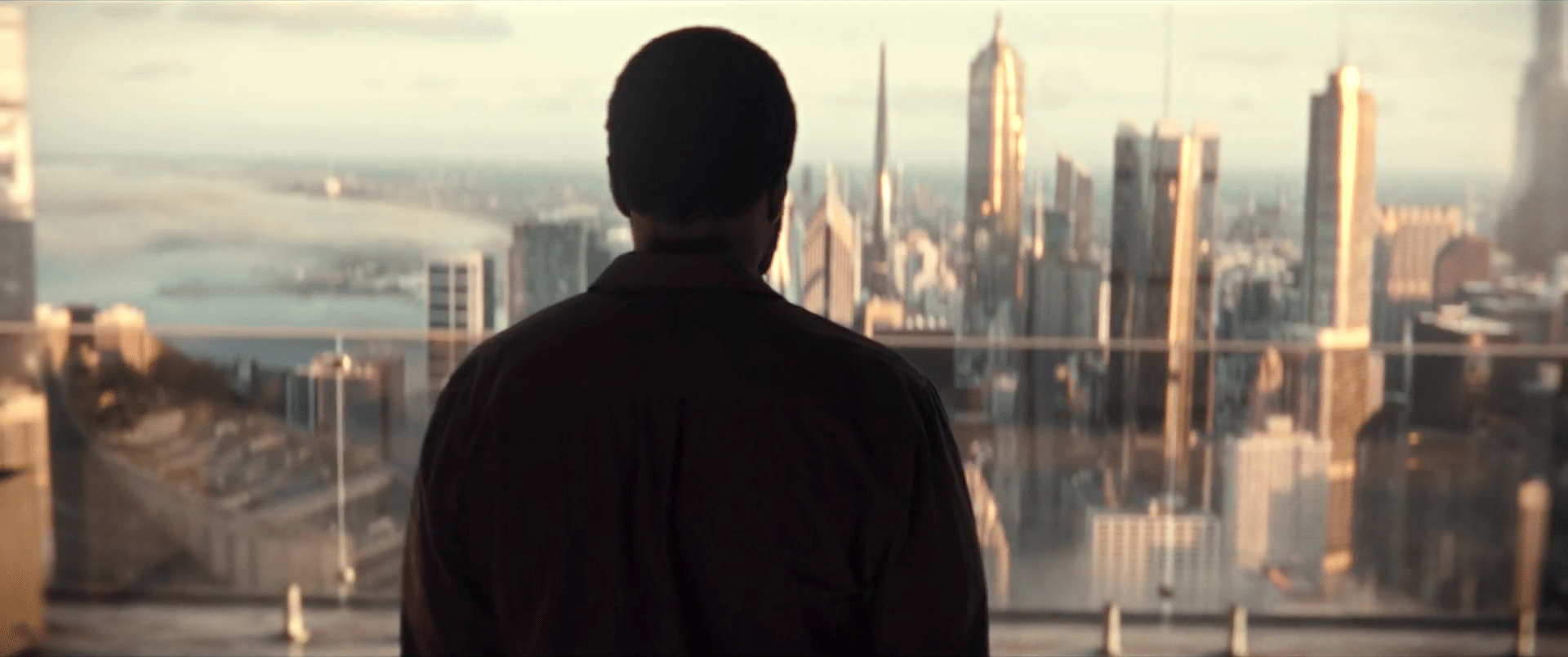
Last shot: Morrow looking out over the city from Yutani HQ
Episode themes: Most "Aliens movie-like" episode, corporate power, Morrow's bitterness
Lyrical Themes & Connection: Themes: Music industry hypocrisy, being used by a corrupt system
Connection Strength: ★★★★ Strong
Phillips explicitly noted the lyrical connection: "That song actually is about an industry. They wrote it about the music industry and how corrupt the music industry is. There's a little layer about the lyrics that color and flavor the story we just told." Morrow's bitterness about being used by Yutani mirrors the song's themes about industry exploitation. Reddit detectives suggest the skyline might be Chicago (Smashing Pumpkins' hometown)—if true, it shows Phillips' attention to detail.
Musical Analysis: This is what the "average" Alien: Earth outro sounds like—1993, E-based, mid-tempo, post-grunge. The song builds through layering rather than a sudden drop. Billy Corgan famously overdubbed guitars extensively, creating a wall of sound in the mid-range frequencies. The song is in major but doesn't feel cheerful—the flat-7 chord and heavy distortion create tension even within the major key framework.
Episode 6: "The Fly"
Song: "Keep Away"
Band: Godsmack
Production Details:
Year: 1999
Album: Godsmack
Track Number: 3
Single: Yes
Songwriter: Sully Erna
Sonic Profile:
Key: D minor (breaks from E dominance)
Tempo: 100 BPM
Meter: 4/4
Instrumentation: Guitar, then full band (guitar/bass/drums)
Characteristic elements: Straightforward chord progression (i to III to iv), Alice in Chains-influenced vocals
Style: Post-grunge
Formula Adherence:
✓ 90s era (late: 1999)
✓ Guitar intro → full band drop
✓ Tempo in range (100 BPM)
✓ Single/recognizable
✓ Track 3 (early album cut)
✗ D minor (breaks from E pattern)
Profile: Most harmonically straightforward; fits formula perfectly but least musically distinctive
Episode Context:
Title reference: Film (David Cronenberg's The Fly)
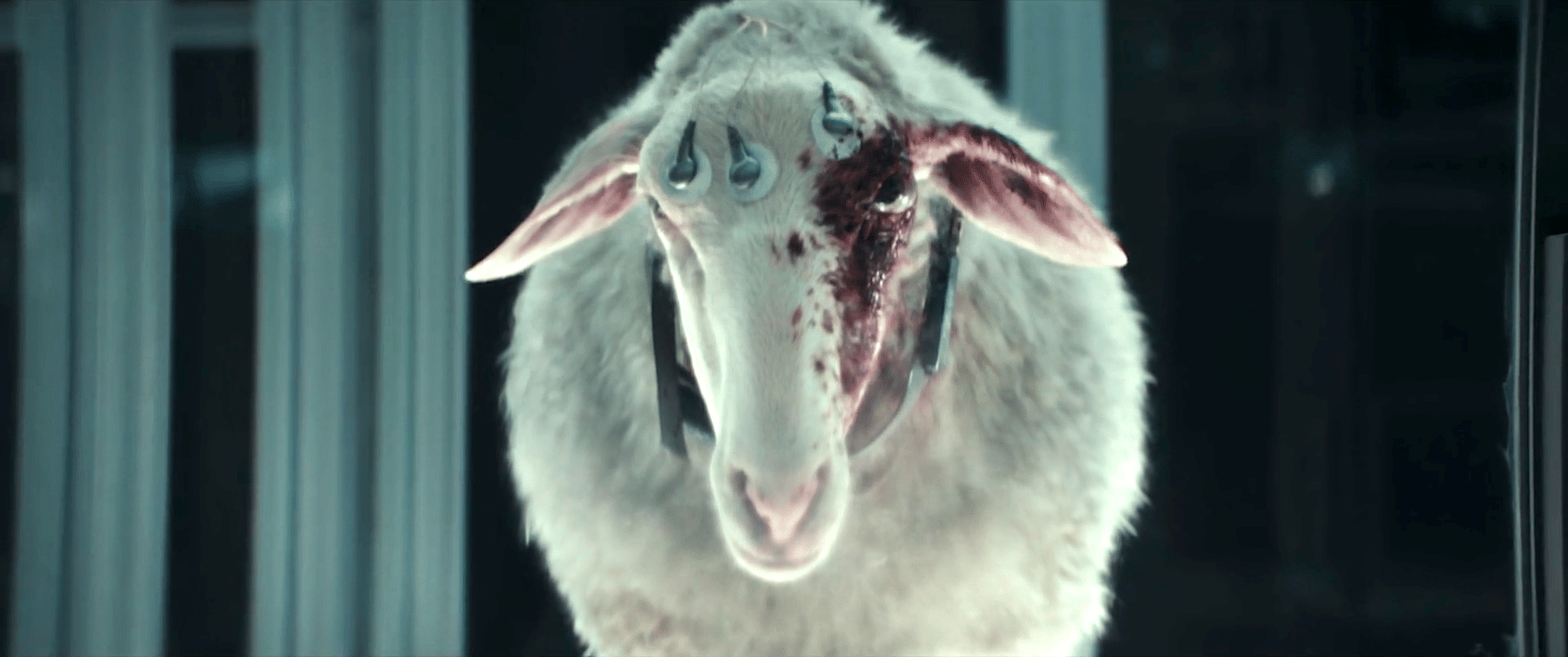
Last shot: The sheep with Midge's eye (Isaac is dead)
Episode themes: Body horror, the Image experiment, containment failure
Lyrical Themes & Connection: Themes: Boundaries with a negative person, "keep away"
Connection Strength: ★★ Weak to Moderate
The boundary and "keep away" themes loosely connect to containment and body horror, but the lyrical alignment is tenuous. As discussed in the podcast, this is "hard to connect" the lyrical content to the narrative moment. The song provides energy and marks the transition effectively, but thematic meaning is unclear. One podcast participant noted not knowing the song created a disappointing experience—the nostalgia factor didn't land.
Musical Analysis: This is the most "generic" selection musically—post-grunge that closely mimics Alice in Chains. It fits the formula perfectly (100 BPM, guitar-to-band structure, 90s hard rock) but offers the least musical distinctiveness. The vocals sound remarkably similar to Layne Staley (Alice in Chains' vocalist). The band even shares its name with an Alice in Chains track ("God Smack" from Dirt), though the band claims no connection. For listeners familiar with the style, this works on pure energy. For those outside that reference point, it offers less.
Episode 7: "Emergence"
Song: "A Song for the Dead"
Band: Queens of the Stone Age
Production Details:
Year: 2002
Album: Songs for the Deaf
Track Number: 4
Single: No (second non-single)
Songwriters: Josh Homme, Mark Lanegan
Sonic Profile:
Key: C Phrygian (second Phrygian usage; breaks from E pattern)
Tempo: 100 BPM
Meter: 4/4
Instrumentation: Feedback, then guitar with prominent drum accents (jazzy flams), then full band
Characteristic elements: Flat-2 prominence, extensive drum work creating intensity, Mark Lanegan vocals (not Josh Homme)
Style: Hard rock
Formula Adherence:
✓ Guitar-based intro → full band
✓ Tempo in range (100 BPM)
✓ Phrygian mode (dark/exotic notes)
✓ Flat-2 prominence
✗ C key (breaks from E)
✗ 2002 (newest song by 3 years)
✗ Not a single
Unique: Longest build-up, most rhythmically adventurous drum work, second Phrygian mode usage
Episode Context:
Title: "Emergence" (transformation theme)
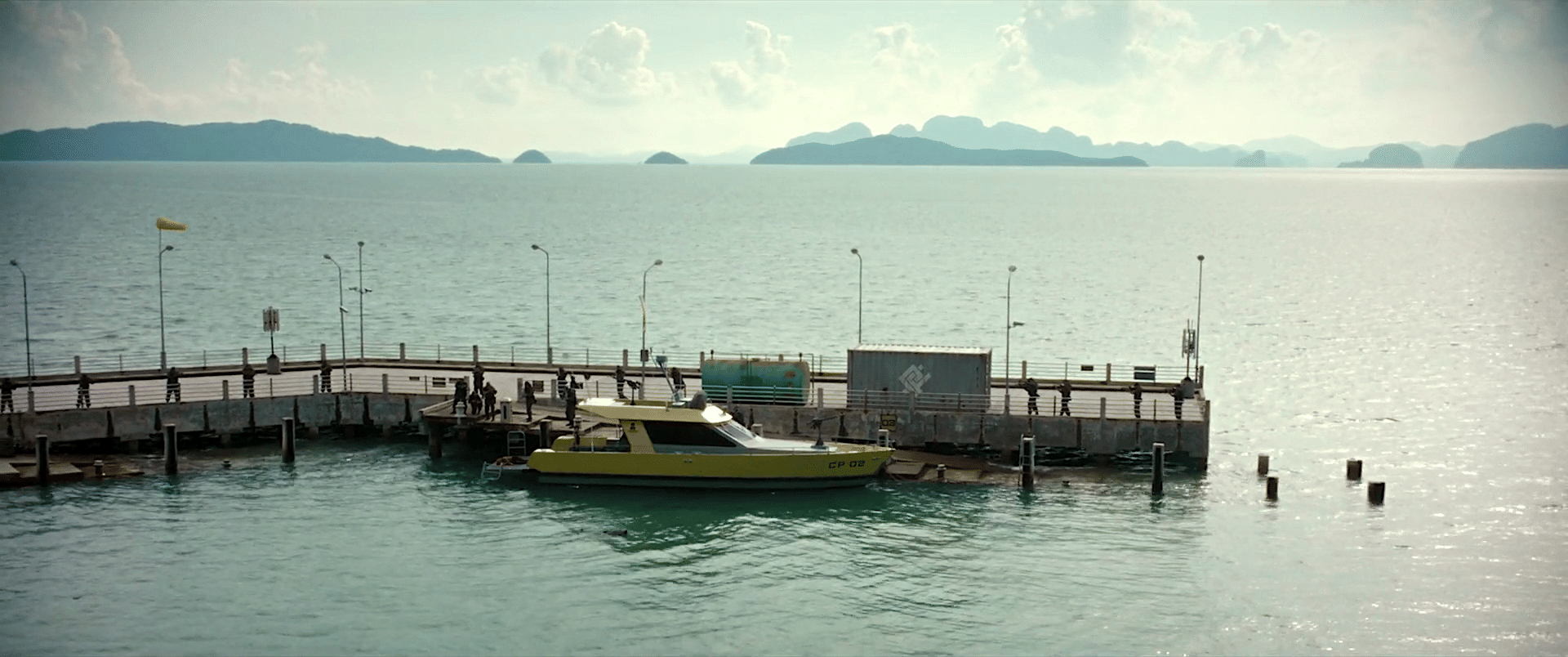
Last shot: Wendy angrily confronting Joe and soldiers on dock, then cuts to Xenomorph
Episode themes: Chestburster emergence, multiple transformations (Nibs, Wendy's realizations)
Lyrical Themes & Connection: Key lines:
"Come on out from underneath who you were"
"You know that it's time to emerge"
"Tell me what you meant living past your half-life"
Themes: Death, doom, potential salvation, transformation
Connection Strength: ★★★★★ Very Strong
The "time to emerge" lyric couldn't be more on-the-nose for an episode titled "Emergence" featuring a chestburster. Multiple characters are emerging from who they were—Nibs dealing with trauma, Wendy having realizations about her nature, the literal alien emerging from a host. As discussed in the podcast, this is the second-clearest thematic alignment after Episode 3's Metallica track. Phillips noted securing this song took months: "there was one band member that had a proportion of the publishing, and it took us three or four months to track this person down via a lawyer."
Musical Analysis: This has the second-longest build-up (after Metallica's tempo shift). The drum accents are erratic, including plenty of grace-note-laden “flams”, creating enormous intensity even before the song fully kicks in. Those jazzy, improvised-sounding fills make the intro feel alive and unpredictable. The Phrygian mode returns (last heard in Episode 3), creating that darker, more modal sound. This is a deep cut (not a single), and it's sung by Queens of the Stone Age's secondary lead vocalist Mark Lanegan rather than their more recognizable primary vocalist Josh Homme, making it doubly obscure—less familiar than even Jane's Addiction's "Ocean Size," which at least features Perry Farrell's unmistakable wail. Phillips was clearly willing to use less-obvious selections when the thematic connection justified it.
Episode 8: "The Real Monsters"
Song: "Animal"
Band: Pearl Jam
Production Details:
Year: 1993
Album: Vs.
Track Number: 2
Single: Yes
Songwriters: Pearl Jam (music), Eddie Vedder (lyrics)
Sonic Profile:
Key: A minor (third different key; breaks from E/D/C pattern)
Tempo: 108 BPM (highest of the "normal" tempos, excluding Black Sabbath's 134)
Meter: 4/4
Instrumentation: Guitar, bass, drums together from start (variation on usual build)
Characteristic elements: Flat-5 in main riff (tension note), funky breakdown mid-song
Style: Grunge (authentic Seattle sound, not post-grunge)
Formula Adherence:
✓ 1993 (nexus year)
✓ Early album track (2)
✓ Single/recognizable
✓ Flat-5 in main riff
✓ Tempo in range (108 BPM)
✗ A minor (third different key)
Profile: Biggest grunge "name," ensemble ending, clear lyrical hooks
Episode Context:
Title reference: Thematic (Ripley's line from Aliens: "I don't know which species is worse. You don't see them fucking each other over for a goddamn percentage.")
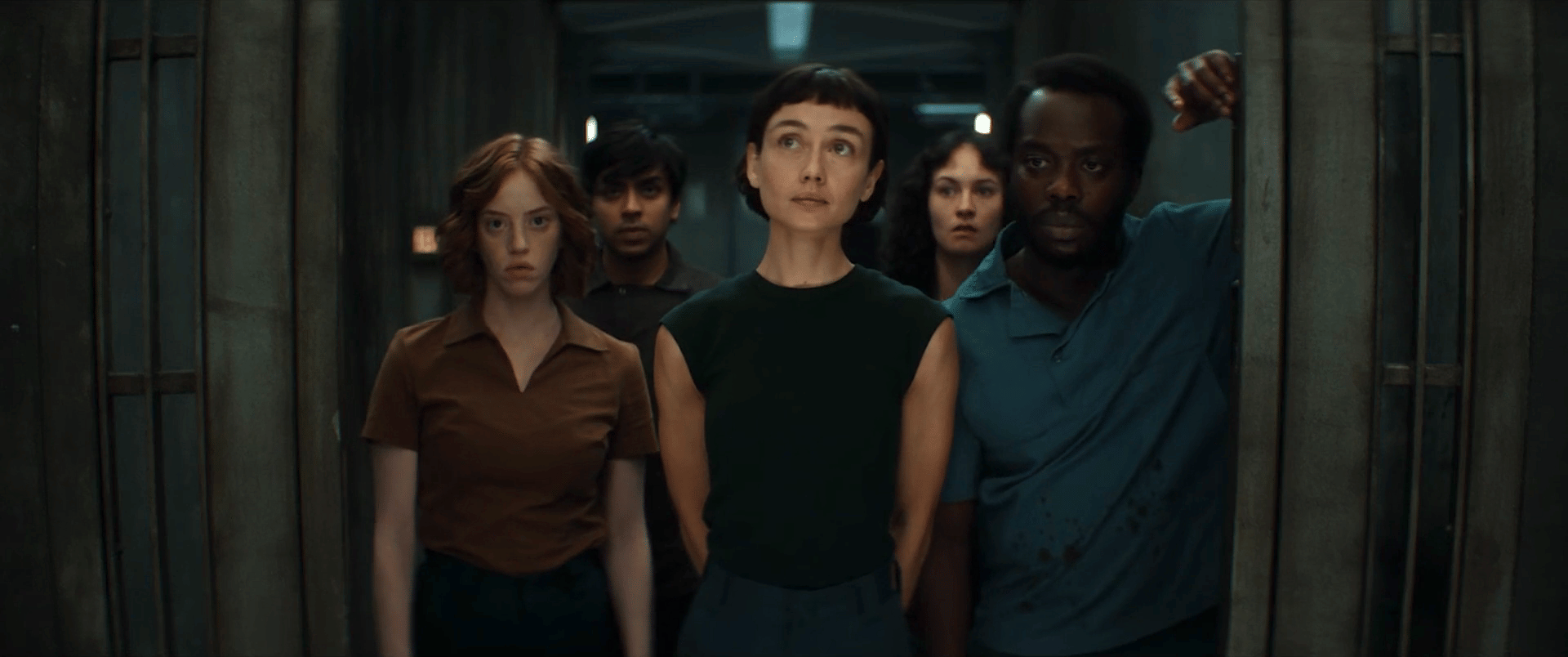
Last shot: Wendy, then cuts to various characters (ensemble ending)
Episode themes: Final confrontation, Wendy choosing xenomorphs over humans, "we rule"
Lyrical Themes & Connection: Key lines:
"One, two, three, four, five against one"
"I'd rather be with an animal"
"Tortured from you to me, abducted from the street"
Themes: Violence, loss of humanity, empowerment (interpretation unclear—lyrics are somewhat opaque)
Connection Strength: ★★★★ Strong
The "five against one" line connects to the five Lost Boys. "I'd rather be with an animal" directly echoes Wendy's choice of the xenomorphs as allies over humans—the episode's central decision. The "abducted from the street" line resonates with Morrow's backstory and the Lost Boys' origins. Phillips described the song choice as "pure fun" despite the trauma: "the fact they're all together and you see the alien crawling on the cage—it is just pure fun. Everyone smiles and it fits."
Musical Analysis: Pearl Jam provides the cultural weight—the biggest "name" in the grunge movement gives the finale gravitas. Unlike other songs that build from quiet intros, this one starts with guitar, bass, and drums together, creating immediate energy. The flat-5 (tritone) in the main riff creates tension. The funky breakdown mid-song—with that bubble-wah guitar part—is unique among all eight selections, showing variety within the formula. Eddie Vedder's vocals are immediately recognizable. The ensemble final shot matches the ensemble nature of the series ending. As discussed in the podcast, this wraps the season with both thematic resonance and pure visceral satisfaction.am" directly mirrors Wendy's unconscious body while her consciousness connects with the Xenomorph. The "adapt to the unknown" theme resonates throughout the season, culminating in the finale when Wendy says "we rule." As discussed in the podcast, this connection was impossible to miss.